
Are our children safe at school?
From the first spark launched by the Synod of the Nile Evangelical schools to an invitation for educational and community dialogue on safe environments.
As schools prepare to welcome students, the Synod schools chose to begin with a question more fundamental than many preparations: children’s safety and the security of the school community. The Safe Environment Charter is a starting point for dialogue, not a final answer or a document that can solve child protection on its own.
Education begins with safety
A child who feels afraid cannot learn to their full potential. Bullying, humiliation and silence can undermine confidence and belonging. A safe environment is not an extra feature of education; it is one of the conditions for learning and growth.
Safety is more than walls and cameras
School safety includes listening to children, noticing concerns early, responding fairly and responsibly, and ensuring that every child knows where to seek help. Risk may begin with repeated mockery, threats, professional boundary violations or a complaint that goes unheard.
From reaction to prevention
Schools need clear and safe reporting channels, trained staff, understood responsibilities and early identification. “If you see something, say something” is a call to pass concerns to the appropriate person—not to investigate or make a judgment. A good-faith report is an act of responsibility and protection.
Protecting dignity in the digital age
Child protection also includes privacy, data and images, responsible online communication and preventing cyberbullying. A school community can protect children in person and in digital spaces.
From a charter to a shared culture
No title or relationship should stand above a child’s safety. The true test is whether the charter becomes everyday practice: part of staff induction, student awareness, family dialogue and school decisions. We invite educational institutions, teachers, leaders, students, parents and specialists to review their policies and build practices suited to their communities.
We may not be able to guarantee that every problem disappears, but we can be better prepared to prevent harm, notice concerns early, listen to children, respond responsibly and learn from experience. Every child deserves a safe and respectful place to learn.
“I am safe here.” Safety is a culture, and that culture is a shared responsibility.
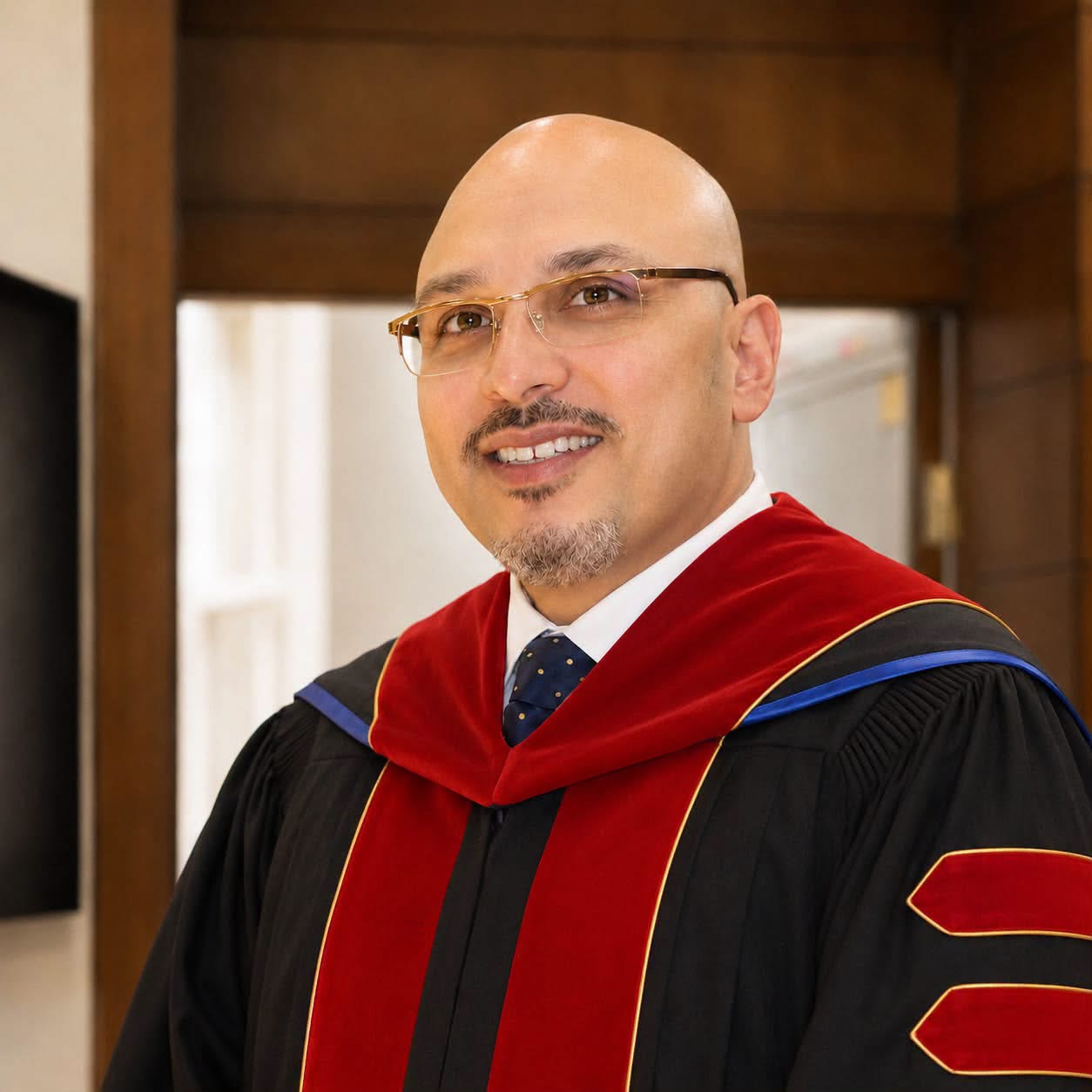
Rev. Dr. Maged Karam Soliman — Secretary General and Legal Representative, Educational Institutions of the Synod of the Nile Evangelical Church